KANARS Cutlery Organizer – Egg Shaped Silverware Caddy

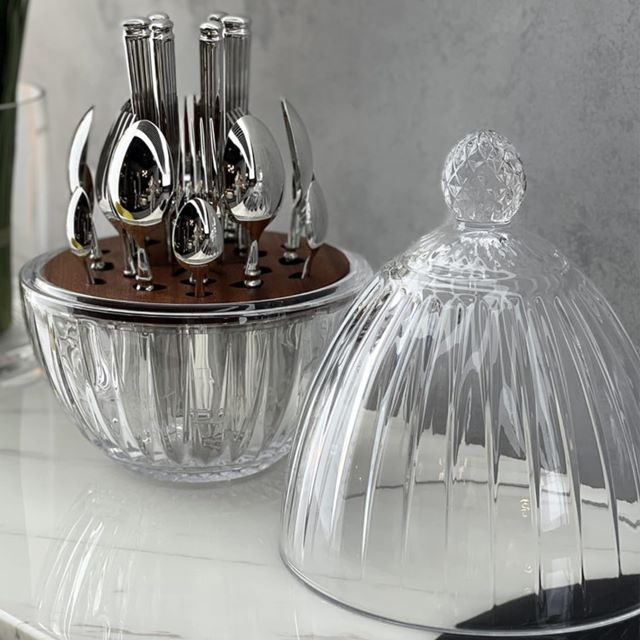
KANARS Cutlery Organizer

A cutlery organizer is an indispensable tool in any kitchen, serving a crucial role in maintaining order, efficiency, and safety. Without a proper cutlery organizer, kitchen drawers can quickly devolve into chaotic jumbles of utensils, creating a frustrating and potentially hazardous environment. With a dedicated cutlery organizer, one can neatly arrange knives, forks, spoons, and other utensils, ensuring easy access and reducing the risk of accidental cuts or injuries while searching for a specific item. Furthermore, a well-organized cutlery drawer not only streamlines meal preparation but also contributes to the overall aesthetics and cleanliness of the kitchen, making it a must-have for anyone looking to improve their culinary workspace.

Beyond its functional benefits, a cutlery organizer also promotes sustainability by helping individuals maintain their kitchen tools for longer periods. Properly organized cutlery is less likely to suffer from wear and tear, as it reduces the likelihood of utensils clattering against each other or becoming damaged. This can lead to fewer replacements and a reduction in waste, contributing to a more eco-friendly kitchen. Additionally, having a designated space for cutlery encourages the use of reusable utensils instead of disposable ones, aligning with environmentally conscious living. In sum, a cutlery organizer is not merely a kitchen accessory but an essential tool for enhancing organization, safety, aesthetics, and sustainability within the heart of the home.

And if you want to really impress your guests then this is the cutlery organizer for you! The KANARS Cutlery Organizer is a Egg Shaped Silverware Caddy with Walnut Compartment for Party Formal Dinners. I mean, come on, look at how amazing it looks! And it’s a pretty good price as well. Made of virtually unbreakable lead-free crystal with tough 1/8″ thick sides and a heavy base they guarantee they will last you a lifetime or your money back. NOTE: THIS ITEM DOES NOT CONTAIN THE FLATWARE. But it holds walnuts!

KANARS Cutlery Organizer – Egg Shaped Silverware Caddy from Amazon

Share

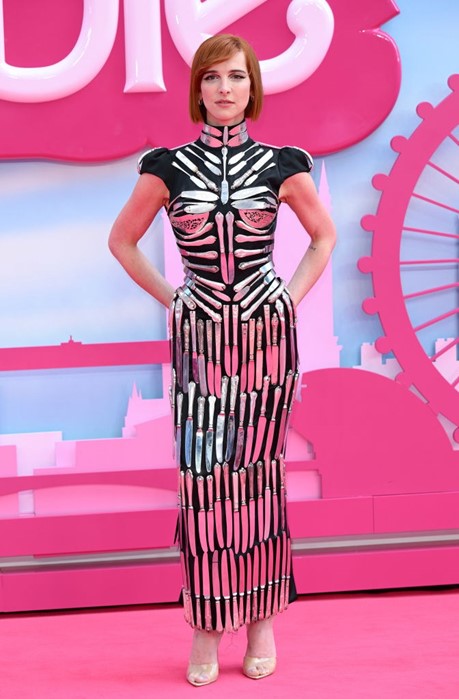
Hari Nef’s Cutlery Dress

Hari Nef's Cutlery Dress

Hari Nef’s cutlery dress made waves in the fashion world when it debuted the Barbie movie’s London premiere. Designed by the innovative and daring fashion designer, the dress was a stunning example of wearable art, blurring the lines between fashion and sculpture. The dress featured a mesmerizing arrangement of real stainless steel cutlery intricately woven into the fabric, creating a unique and avant-garde silhouette that caught the attention of fashion enthusiasts worldwide. Hari Nef effortlessly carried the dress with grace and confidence, solidifying her position as a style icon and pushing the boundaries of what is considered fashionable.

The cutlery dress sparked conversations about sustainability and the concept of repurposing everyday objects into high fashion. Hari Nef’s choice to incorporate stainless steel cutlery into her dress brought attention to the environmental impact of disposable plastics and encouraged a dialogue about more eco-conscious choices in fashion. The dress’s bold statement embraced the idea of fashion as a medium for social commentary, urging the industry to explore more unconventional and responsible design practices.

Beyond its symbolism and environmental implications, Hari Nef’s cutlery dress was an exquisite display of craftsmanship. The meticulous placement of each piece of cutlery showcased the designer’s attention to detail and dedication to creating a truly one-of-a-kind piece. As photographs of the dress circulated in the media and on social platforms, it sparked inspiration among emerging designers and artists, encouraging them to experiment with unconventional materials and challenge the traditional norms of fashion. Hari Nef’s cutlery dress will undoubtedly be remembered as an iconic and thought-provoking moment in the history of fashion, leaving a lasting impact on the industry’s future direction.

Share

“Rirang OnAir” Sea to Summit Folding Serving Spoon

We were watching the always fun “Rirang OnAir” last week and saw an interesting new piece of camping cutlery that she was using. Press Play on the video above to see it.

So we did some flatware sleuthing and was able to track down this clever collapsing spoon that she uses.

The Sea to Summit Folding Serving Spoon is made of rugged glass-reinforced nylon and food-grade silicone rubber, the Folding Spoon packs down small enough to fit in a 1.2L Alpha pot, yet pops out to form a full-value measuring and serving spoon. It is large and measures up to 100 ml / 3.3 Fl oz. Clever cutlery huh?

Folding Serving Spoon Available @ Sea to Summit website

Share

13 Things You Might Not Know About Cutlery

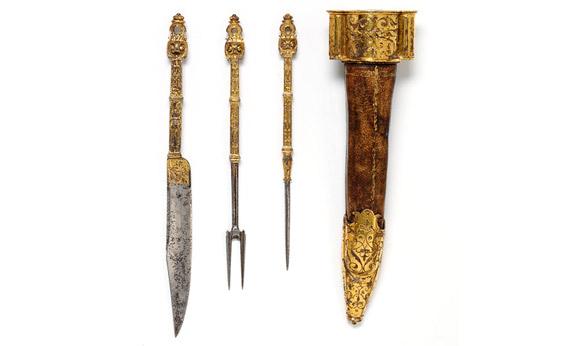
old cutlery
  1. The word “cutlery” is derived from the Old French word “coutelier,” which means “knife maker.” It refers to the collective term for utensils used for eating, cutting, and serving food.
  2. Cutlery has been used by humans for thousands of years. Archaeological evidence suggests that early humans began using rudimentary tools made from bone and stone as early as 2.6 million years ago.
  3. Forks, as we know them today, were not commonly used in Western Europe until the 16th century. Before that, people primarily used spoons and knives for eating.
  4. The first patent for a mechanical knife sharpener was granted to Benjamin Huntsman in 1770. It was a significant development that revolutionized the cutlery industry and made knives easier to maintain.
  5. The traditional place setting for a formal meal includes several types of cutlery. It typically consists of a dinner fork, a salad fork, a dinner knife, a soup spoon, and a dessert spoon. The arrangement and use of these utensils vary depending on the culture and the type of meal.
  6. The design of cutlery has evolved over time. Early cutlery featured handles made from natural materials like wood or bone. However, modern cutlery often incorporates handles made from materials such as stainless steel, plastic, or even precious metals.
  7. Stainless steel, a widely used material for cutlery, was developed in the early 20th century. It is prized for its resistance to corrosion, durability, and ease of maintenance.
  8. The concept of using separate cutlery for specific purposes, such as fish knives or butter spreaders, became popular during the Victorian era in England. These specialized utensils were often part of elaborate dining sets.
  9. The design of cutlery is not only functional but also influenced by aesthetics and cultural preferences. Different countries and regions have distinct styles of cutlery, such as the delicate chopsticks of East Asia or the ornate silverware of formal Western dining.
  10. Cutlery can be an art form. Many skilled craftsmen and artisans create unique and intricate designs, often using traditional techniques like hand engraving or forging. Collectible or heirloom cutlery sets can be highly valued for their craftsmanship and historical significance.
  11. Some cutlery pieces have specific names. For example, a butter knife is a blunt-edged knife used for spreading butter, and a grapefruit spoon has a serrated edge to help scoop out the fruit segments.
  12. Cutlery hygiene is crucial to prevent the spread of bacteria and foodborne illnesses. Washing cutlery with hot, soapy water after each use and drying them thoroughly helps maintain cleanliness.
  13. Cutlery has cultural symbolism and etiquette associated with it. For example, placing your cutlery parallel across your plate signifies that you have finished eating, while crossing the utensils indicates that you are still enjoying your meal. Different cultures may have specific customs regarding the placement and use of cutlery during formal dining occasions.
Share