Obituary: The Broken Badly Designed Fork

The Broken Badly Designed Fork


We bid farewell to the Broken Badly Designed Fork, a once well-intentioned but tragically flawed utensil that passed away yesterday after snapping in half under the modest weight of a baked potato. Known by many as “that useless thing in the back of the drawer,” this fork struggled through a short and troubled life. Its flimsy plastic tines bent at the sight of meat, and its uneven grip ensured no hand ever held it comfortably. From awkward salad scoops to humiliating pasta slippages, it soldiered on, always falling short of its fellow cutlery’s expectations—yet never giving up entirely, even when relegated to picnic duty.

Survived by its cousins, the Reliable Metal Spoon and the Occasionally Useful Spork, the Broken Badly Designed Fork leaves behind a legacy of minor irritation and slightly greasy fingers. Though we may not miss its fragile construction or that suspicious factory glue smell, we honor its valiant if misguided efforts to serve. In the end, it taught us that not all forks are created equal—and that sometimes, durability matters more than a flashy ergonomic promise. May it rest in the landfill, finally free of responsibility.

Share

Lead in Cutlery

lead in cutlery

The Dangers of Lead in Cutlery
Lead is a toxic heavy metal that can pose significant health risks, even in small amounts. When present in cutlery, particularly in decorative or antique pieces, lead can leach into food and beverages, especially when exposed to acidic or hot substances. Chronic exposure to lead can cause serious health problems, including neurological damage, developmental delays in children, kidney damage, and an increased risk of cardiovascular disease in adults. For pregnant individuals, lead exposure can harm the developing fetus, leading to birth defects or developmental issues.

Sources of Lead in Cutlery
Lead in cutlery is often found in older or imported items, particularly those with decorative finishes or components made from materials like pewter, brass, or alloys that may include lead. Vintage cutlery sets with ornate designs or painted handles are particularly suspect. Modern regulations in many countries restrict the use of lead in food-related items, but not all products are subject to strict oversight, especially those produced in regions with lax manufacturing standards.

How to Test for Lead in Cutlery
To ensure your cutlery is lead-free, you can perform simple at-home tests or seek professional evaluation. At-home lead test kits, available at most hardware stores, use swabs that change color when they come into contact with lead. These kits are easy to use and can detect lead on surfaces, although they may not be as accurate as laboratory tests. For a more definitive assessment, consider sending a sample to a lab that specializes in lead testing. Additionally, be cautious when buying cutlery from unknown or unverified sources, and avoid using antique or decorative pieces for food consumption unless they’ve been tested and certified as safe.

Get yourself a Lead Testing Kit from Amazon

Share

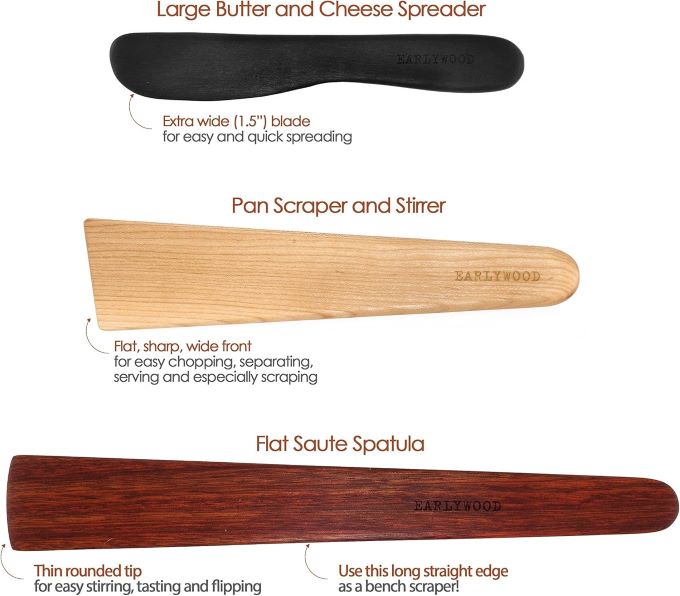
Earlywood 3-Piece Wooden Kitchen Cooking Utensil Set

Earlywood 3-Piece Wooden Kitchen Cooking Utensil Set

Earlywood really knows how to bring the natural beauty of the wood out. I mean, look at that photo. Go quickly click the link below and go look at even more gorgeous photos of their handwork! Amazing stuff. Metal is the most functional material for cutlery but wood is love.

The Earlywood 3-Piece Wooden Kitchen Cooking Utensil Set is three pieces: The Thin Wood Spatula Flipper, The Wooden Cast Iron Scraper Stirrer and The Butter Turner/Cheese Spreader. This is simple and minimalist design of ethically sourced, all-natural materials. They use jatoba, Mexican ebony, maple, and bloodwood that is covered by a lifetime warranty. But wash by hand! The Spatula is 13″ long, the Scraper is 10″ and the Spreader is 8.3″

Oh, and they only ethically sourced, all-natural materials, for every order they donate $1 to plant trees in the Brazilian Rainforest.

Earlywood 3-Piece Wooden Kitchen Cooking Utensil Set from Amazon

Share

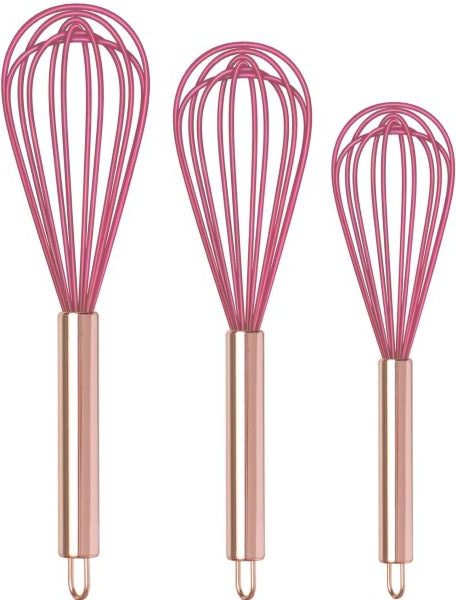
Pink Tiny Whisk

Pink Tiny Whisk

We all know that Babish has a Tiny Whisk. And we all know about how AI is going to take over our blogging jobs. So we asked the AI thinking machine to write a poem about Babish’s Pink Tiny Whisk.

Your pink tiny whisk, oh how it gleams,
In your hand, a tool of culinary dreams,
With delicate wires and a gentle touch,
It whisks up magic, oh so much.

In bowls of batter and creamy delight,
Your whisk brings texture, so light,
A swirl of pink, a flick of the wrist,
A kitchen companion you can’t resist.

From scrambled eggs to fluffy peaks,
Your whisk never fails to mystique,
It blends and stirs with grace and ease,
A pink wonder that always pleases.

In your kitchen, it reigns supreme,
A tool that inspires sweet dreams,
Your pink tiny whisk, a thing of beauty,
A symbol of culinary duty.

So whisk away, dear kitchen friend,
Onward and upward, until the end,
For your pink tiny whisk will never falter,
A reliable companion, no matter the alter.

You can buy your own Pink Tiny Whisk at Amazon

Share