Cutlery Cash – Valuation of the Flatware Market

Cutlery Cash

The valuation of the Flatware Market is expected to witness steady growth in the next year. With the increasing disposable income and changing consumer preferences, the demand for flatware products, such as spoons, forks, and knives, is anticipated to rise. The market is projected to benefit from the growing trend of home dining and entertaining, as more individuals are opting for stylish and sophisticated flatware sets to enhance their dining experience.

Furthermore, the rise in urbanization and the growing number of households are expected to drive the demand for flatware products. As urban areas witness a surge in population, there is an increased need for kitchenware and dining essentials, including flatware. Additionally, the expansion of the hospitality sector, including restaurants, hotels, and cafes, will contribute to the growth of the flatware market as these establishments require a continuous supply of high-quality flatware to cater to their customers’ needs.

Moreover, technological advancements and innovative product offerings are likely to propel market growth. Manufacturers are focusing on developing flatware products with unique designs, eco-friendly materials, and enhanced functionality to attract consumers. The introduction of smart flatware, such as cutlery with integrated sensors or temperature control features, is expected to gain traction in the market. These factors combined are expected to drive the valuation of the Flatware Market in the upcoming year.

According to this article the global flatware market is expected to be worth US$ 10.5 Billion in 2023!

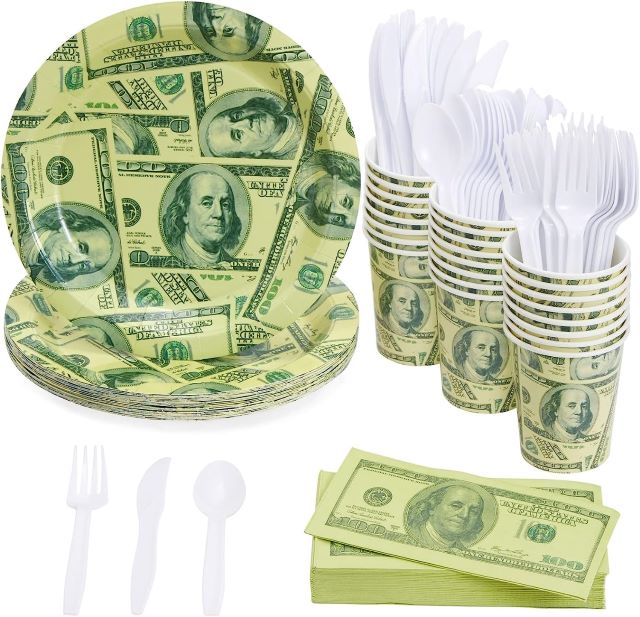
Do you like that Benjamin Bucks Plates? Get them at Amazon here.
Boiling wooden spoons. For Why?

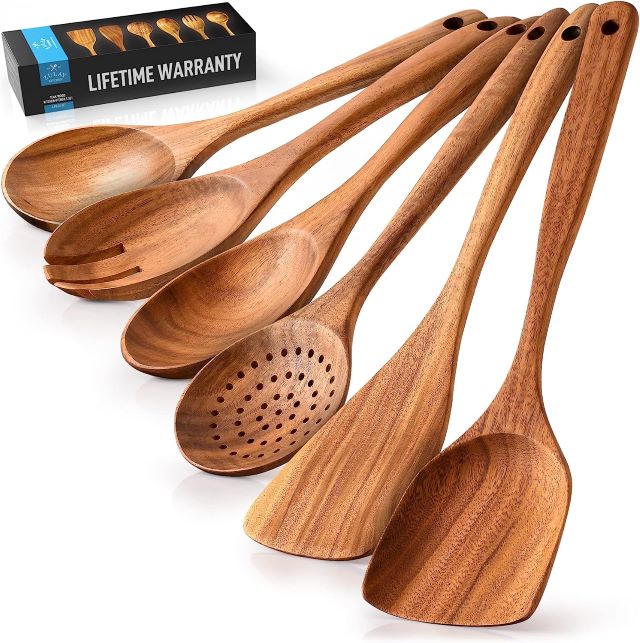
Zulay Kitchen 6 Piece Wooden Spoons for Cooking

Boiling wooden spoons can be a controversial topic in the culinary world. There are emails and videos going around the internets showing people boiling spoons to show all the “toxins” that come out of the wood. Wood is a porous material, and exposing it to water and high temperatures can potentially damage or warp the spoons. As a general rule, it is not recommended to boil wooden spoons unless absolutely necessary. The heat and moisture can cause the wood to expand and contract, leading to cracks or warping.

If you find yourself in a situation where you believe boiling your wooden spoons is necessary, take certain precautions. Keep the boiling time to a minimum, typically no more than a few minutes. This brief exposure to boiling water can help sanitize the spoons by killing off bacteria and germs. However, be mindful of not exceeding the recommended boiling time, as prolonged exposure can weaken the wood’s structure.

After boiling, it is crucial to thoroughly dry the wooden spoons before using or storing them. Moisture can seep into the wood fibers, leading to swelling, warping, and the potential growth of mold or mildew. Place the spoons in a well-ventilated area and allow them to air dry completely. Once dry, you can consider applying a food-safe oil, such as mineral oil or beeswax, to help maintain the wood’s integrity and prevent drying out. Regularly oiling the wooden spoons can also help preserve their appearance and extend their lifespan. And if you are worried about “toxins” in your wooden spoons then just buy some new ones like these which are made of resilient teak wood and have a lifetime warranty…

Zulay Kitchen 6 Piece Wooden Spoons from Amazon

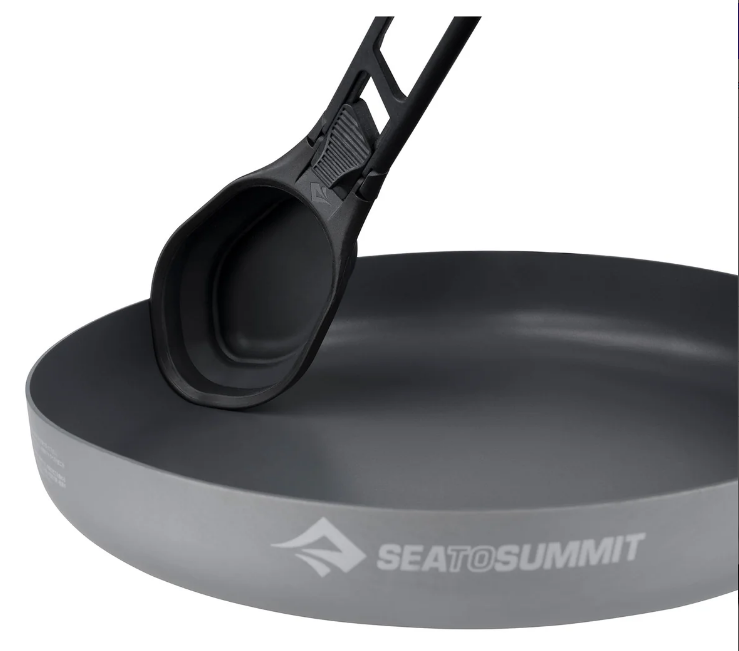
“Rirang OnAir” Sea to Summit Folding Serving Spoon

We were watching the always fun “Rirang OnAir” last week and saw an interesting new piece of camping cutlery that she was using. Press Play on the video above to see it.

So we did some flatware sleuthing and was able to track down this clever collapsing spoon that she uses.

The Sea to Summit Folding Serving Spoon is made of rugged glass-reinforced nylon and food-grade silicone rubber, the Folding Spoon packs down small enough to fit in a 1.2L Alpha pot, yet pops out to form a full-value measuring and serving spoon. It is large and measures up to 100 ml / 3.3 Fl oz. Clever cutlery huh?

Folding Serving Spoon Available @ Sea to Summit website

13 Things You Might Not Know About Cutlery

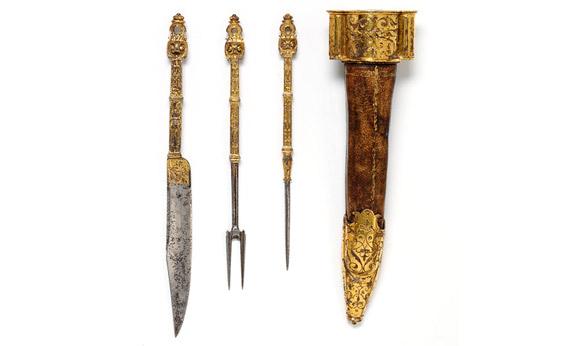
old cutlery
  1. The word “cutlery” is derived from the Old French word “coutelier,” which means “knife maker.” It refers to the collective term for utensils used for eating, cutting, and serving food.
  2. Cutlery has been used by humans for thousands of years. Archaeological evidence suggests that early humans began using rudimentary tools made from bone and stone as early as 2.6 million years ago.
  3. Forks, as we know them today, were not commonly used in Western Europe until the 16th century. Before that, people primarily used spoons and knives for eating.
  4. The first patent for a mechanical knife sharpener was granted to Benjamin Huntsman in 1770. It was a significant development that revolutionized the cutlery industry and made knives easier to maintain.
  5. The traditional place setting for a formal meal includes several types of cutlery. It typically consists of a dinner fork, a salad fork, a dinner knife, a soup spoon, and a dessert spoon. The arrangement and use of these utensils vary depending on the culture and the type of meal.
  6. The design of cutlery has evolved over time. Early cutlery featured handles made from natural materials like wood or bone. However, modern cutlery often incorporates handles made from materials such as stainless steel, plastic, or even precious metals.
  7. Stainless steel, a widely used material for cutlery, was developed in the early 20th century. It is prized for its resistance to corrosion, durability, and ease of maintenance.
  8. The concept of using separate cutlery for specific purposes, such as fish knives or butter spreaders, became popular during the Victorian era in England. These specialized utensils were often part of elaborate dining sets.
  9. The design of cutlery is not only functional but also influenced by aesthetics and cultural preferences. Different countries and regions have distinct styles of cutlery, such as the delicate chopsticks of East Asia or the ornate silverware of formal Western dining.
  10. Cutlery can be an art form. Many skilled craftsmen and artisans create unique and intricate designs, often using traditional techniques like hand engraving or forging. Collectible or heirloom cutlery sets can be highly valued for their craftsmanship and historical significance.
  11. Some cutlery pieces have specific names. For example, a butter knife is a blunt-edged knife used for spreading butter, and a grapefruit spoon has a serrated edge to help scoop out the fruit segments.
  12. Cutlery hygiene is crucial to prevent the spread of bacteria and foodborne illnesses. Washing cutlery with hot, soapy water after each use and drying them thoroughly helps maintain cleanliness.
  13. Cutlery has cultural symbolism and etiquette associated with it. For example, placing your cutlery parallel across your plate signifies that you have finished eating, while crossing the utensils indicates that you are still enjoying your meal. Different cultures may have specific customs regarding the placement and use of cutlery during formal dining occasions.